How to prevent concrete from freezing in low temperature environments during the Xiaohan season

Are you afraid of freezing when pouring concrete in winter? The answer is affirmative.

Low temperature can cause water to freeze and expand in concrete, damaging its internal structure and reducing its strength and durability.

Steel Chamfer

At the same time, low temperature will slow down the hydration reaction of cement, and even stop the reaction, affecting the strength of concrete.

Do you know how to prevent concrete from freezing in low temperature environments?.

How to pour concrete with a difference of one grade?

When the concrete strength of columns and walls is two or more grades higher than that of beams and slabs during the construction process, separation measures should be taken in the boundary area.

Both the construction and supervision units recognize this situation, and the construction unit generally takes the following measures to intercept it.

Halfen Channel

.

The Influence of High Proportion Mineral Admixtures on the Carbonization Performance of Concrete

Mineral admixtures such as fly ash and slag powder can not only improve the workability and mechanical properties of concrete, but also significantly enhance its durability.

However, the extensive use of mineral admixtures has a complex impact on the carbonation performance of concrete.

On the one hand, the active substances in the admixtures combine with the hydrated calcium hydroxide of cement, reducing the content of alkaline substances in the concrete and accelerating the carbonation process; On the other hand, the addition of admixtures can effectively improve the compactness of concrete materials, enhance the microstructure of the interface transition zone, reduce the penetration of carbon dioxide, and thus slow down the carbonation rate.

PVC Chamfer

Therefore, understanding the influence of mineral content on the carbonation performance of concrete materials and revealing the micro mechanism of mineral admixtures on concrete carbonation behavior is of great significance for optimizing concrete mix proportions, improving the service life of concrete structures, and reducing carbon emissions in the construction industry.

.

Discussion on the influencing factors of rebound method for detecting compressive strength of concrete

Before testing, a calibration test of the rebound instrument must be conducted.

The quality and testing performance of the rebound instrument directly affect the accuracy of concrete strength estimation.

Only a rebound instrument with good performance can ensure the reliability of the test results.

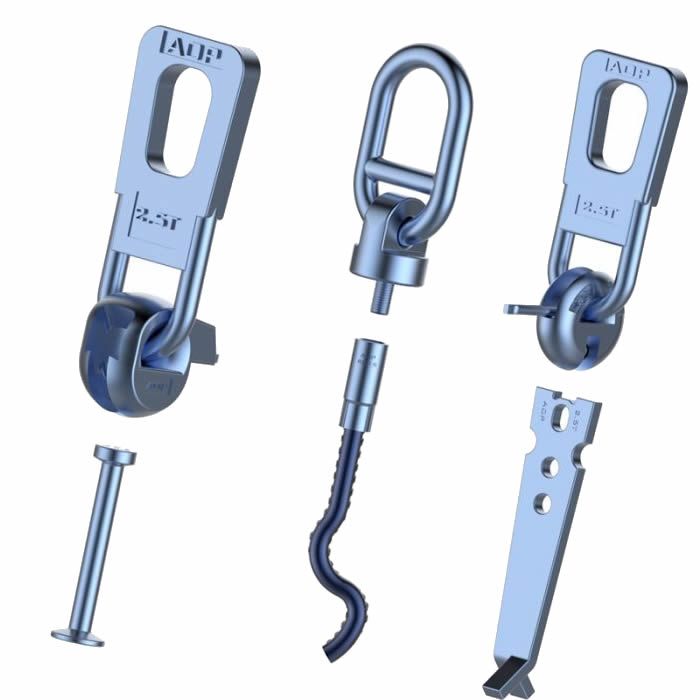
Swift Lift Void Former

The calibration of the rebound instrument should be carried out under dry conditions with a room temperature of 5 ℃ to 35 ℃.

It should be struck vertically three times on a standard steel anvil with a Rockwell hardness HRC of 60 ± 2, and the average calibration value should be 80 ± 2.

Otherwise, the rebound instrument must be adjusted or calibrated.

.