Special Construction Plan for Pouring and Curing of Pier Body Concrete

As the main support of the upper structure, the concrete construction quality of the bridge pier body may directly determine the overall safety and durability of the bridge.

This construction is aimed at the main pier body of a highway super large bridge, using C50 high-performance concrete with a designed pier height of 38 meters and a solid rectangular cross-section.

Steel Rebar Chairs

.

The construction of concrete is too harmful!

Whether the strength of concrete occurs and develops regularly, whether surface defects of concrete can be controlled, and whether the durability of concrete can meet the service life are closely related to the construction technology, construction details, and curing of concrete on the construction site.

Erection Anchor

This article briefly discusses the impact and harm of non-standard construction on concrete quality at the construction site.

.

Construction Guidelines for Concrete Precast Component Protection

1.

Laws and regulations issued by the state and relevant departments, current design, construction specifications, quality acceptance standards, and other relevant documents and technical standards and requirements stipulated in the bidding documents issued by the State Railway Administration, China Railway Group Co.

, Ltd.

, and Sichuan Provincial People’s Government.

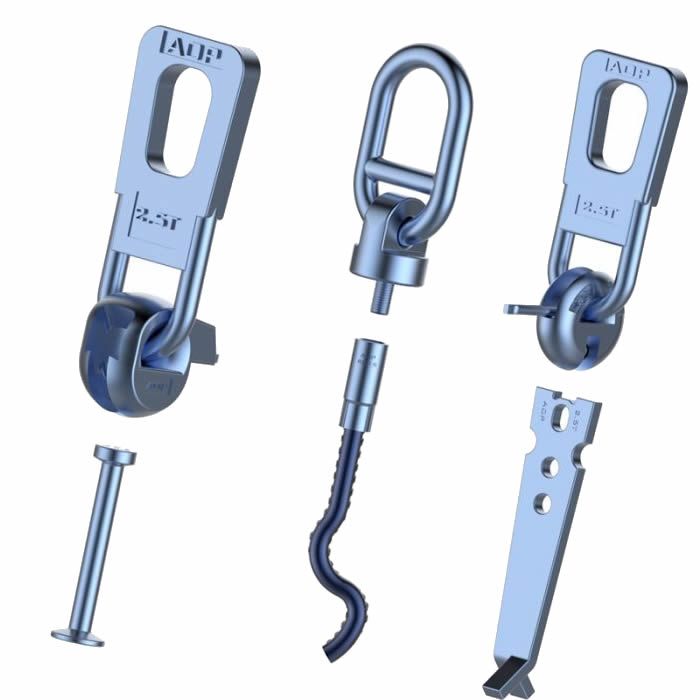
Lifting Anchor

.

Case analysis of concrete quality issues

Example 1: A certain project involves the construction of an existing building starting from the 8th floor.

The engineering part is a shear wall made of C40 concrete.

After demoulding, vertical cracks were found on the wall surface, which were very regular.

There were vertical cracks every 1.

5m to 1.

8m, with sharp ends and a wide middle.

The widest part was about 0.

2mm to 0.

3mm.

Some cracks are through cracks.

Concrete Plate Anchors

The concrete strength can reach around C45.

.

Insight Sharing | Technical Details of Rebound Method for Testing Concrete Compressive Strength

The rebound method is the most commonly used and convenient non-destructive method for on-site testing of concrete compressive strength.

However, different personnel often have differences in the testing results of the same component, which is often not a problem with the instrument, but rather due to differences in understanding and operational details of the “Technical Specification for Testing Concrete Compressive Strength by Rebound Method” (JGJ/T 23-2011).

Cast In Plate

The key to mastering the essence of this regulation lies in understanding “why” rather than just “what to do”.

.