Yantai Xinsi Chuang Civil Engineering Technology Co.
, Ltd.
(established in 2000) and its wholly-owned subsidiary Yantai Wohua Construction Technology Co.
, Ltd.
(established in 2016) have been deeply engaged in the field of civil engineering for more than 20 years.
With the mission of safeguarding engineering safety and empowering structural renewal, they focus on providing one-stop performance management services for the entire life cycle of buildings, bridges, underground engineering, and special structures.
The company has a complete business chain of testing and identification, reinforcement design, special construction, and technical consulting, with strong technical strength.
Accumulatively serving thousands of projects, our professional, reliable, and efficient technical services have won widespread recognition in the industry.
In the future, we will continue to deepen our expertise in the field of civil engineering, contributing to the improvement of engineering safety and urban resilience.
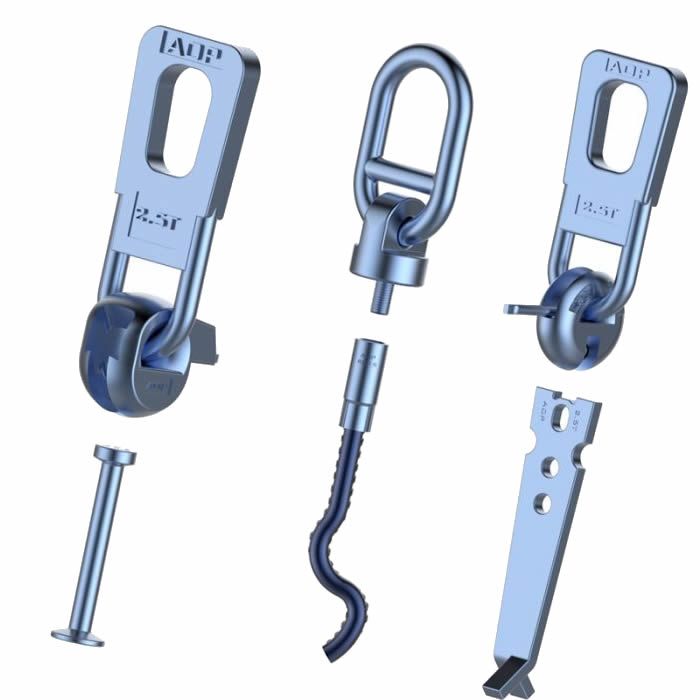
Coil Loop Insert
.