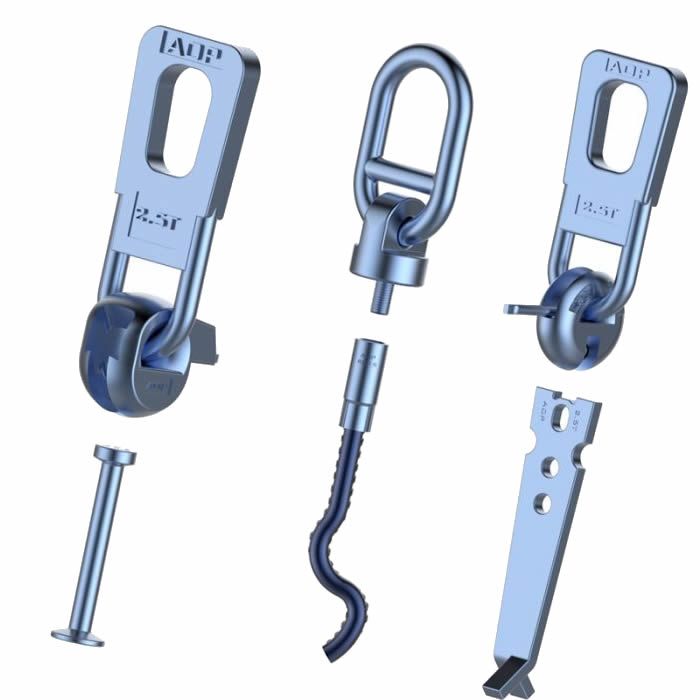
(1) When the pile leaves the factory, the manufacturer should provide a product quality certificate, and its specifications, batch number, and production date should comply with the corresponding acceptance batch number content.
.
Construction Precast Development
Precast News From China
(1) When the pile leaves the factory, the manufacturer should provide a product quality certificate, and its specifications, batch number, and production date should comply with the corresponding acceptance batch number content.
.
In construction and road and bridge construction, there are various types of concrete, and there are three common types based on their use, performance, and raw materials: 1.
Cement concrete: mixed with cement, sand, stones, and water, which is the most commonly used in road and bridge construction; 2.
Asphalt concrete: using asphalt instead of cement, with good flexibility, mainly used for paving roads, such as bridge decks and highway surface layers; 3.
Polymer concrete: This type of concrete is made by adding polymer materials, which have high strength and corrosion resistance, and is used in special projects such as chemical plants or repair projects.
.
The supervisor needs to control the entry and acceptance of concrete raw materials from six aspects.
.
The loss of concrete slump is inevitable, and it is important to minimize the loss value and speed to facilitate smooth construction.
.
In the field of concrete repair and high-performance materials, we have been searching for solutions that can break conventions and fundamentally solve problems.
After ammonium persulfate, its “sibling” – sodium persulfate, is becoming a highly anticipated new star in this field due to its unique solubility and oxidation efficiency.
.
Easy to operate venue: a workshop for organizing materials (for recording, ledger, etc.
); The operating room for making test specimens (concrete pre curing temperature 20 ± 5 ℃); Standard maintenance room (temperature 20 ± 2 ℃, relative humidity above 95%); Duty lounge, etc.
At the same time, corresponding rules and regulations should be formulated and posted on the wall.
The general experimental operating room (including studio) requires a usable area of 10-15 square meters.
The standard maintenance room is established according to the size of the project, with an area of generally 5-15m2.
The indoor walls and ceiling are insulated with polystyrene material, and automatic temperature and humidity controllers (refrigeration, heating, water spraying) are installed to ensure a temperature of 20 ± 2 ℃ and a relative humidity of over 95% in the maintenance room.
.
Recently, I have participated in multiple concrete quality litigation cases, among which the liability boundary between ready mixed concrete and solid concrete has always been a controversial focus.
With the implementation of a series of mandatory engineering construction standards such as the General Code for Concrete Structures (GB 55008), the division of responsibilities has gained clearer technical basis and legal support.
This article will systematically analyze the principles of defining the entire process of concrete quality responsibility from design, production to construction and acceptance from the perspective of integrating multiple relevant standards, and propose practical and feasible risk prevention strategies.
.
Introduction: For concrete structures, the presence of cracks is a very common phenomenon.
But some may cause a decrease in structural load-bearing capacity and reliability; Some may not have a significant impact on the bearing capacity, but they may cause issues such as detachment of concrete protective layer and accelerated corrosion of steel bars, which can reduce the durability of the structure and pose a greater risk to its safety.
Therefore, how to evaluate, identify, and repair cracks in concrete structures is of great significance for the use and maintenance of the structure.
.
Click on “MDPI Environment and Earth Sciences” in the upper left corner to follow us and push you more latest information.
.
On October 31st, the National Concrete Price Index (CEMPI) closed at 91.
04 points, a month on month decrease of 0.
01% and a year-on-year decrease of 18.
8%.
.