Correct use of rebound tester in strength evaluation of concrete structural components

In the 21st century, with the rapid development of science and technology, applied science continues to lead society, and construction has undergone significant changes.

Rebar Saddles

New materials, new technologies, and new processes are constantly being applied in practical construction, especially the extensive use of pumped concrete.

As industrial waste or industrial by-products (fly ash and slag powder) with cementitious properties, they gradually play a dominant role in the development and utilization of concrete mixtures.

Previously, concrete was mainly characterized by low plasticity or plasticity, and the sand ratio was mainly considered based on its filling effect.

The selected sand ratio was generally smaller.

Nowadays, the determination of sand ratio for highly mobile concrete is mainly based on the principles of fluidity and pumpability, which has increased significantly compared to before.

All of these have caused significant changes to the surface of concrete structures.

.

Research on the influencing factors and protective measures of concrete carbonation depth

Reinforced concrete structures are continuously exposed to the atmospheric environment during service, and carbon dioxide in the air diffuses into the interior through the pores on the concrete surface and undergoes neutralization reactions with alkaline hydration products.

The carbonization front gradually advances deeper into the structure over time.

When the carbonization depth reaches the surface position of the steel reinforcement, the passive film of the steel reinforcement, which was originally in a highly alkaline environment, will lose stability due to the decrease in pH value and undergo electrochemical corrosion in the presence of moisture and oxygen.

Concrete structures such as industrial buildings, underground garages, tunnels, and coastal structures that are exposed to high concentrations of carbon dioxide or high humidity are facing a more severe threat of carbonation.

Due to historical reasons such as low design standards and extensive construction management, some early construction projects have a common phenomenon of carbon degradation, which poses a significant burden on the owner units in terms of structural safety hazards and maintenance and reinforcement costs.

Double Ended Ferrule

.

Frontline Chief Engineer Talks about Concrete Production and Construction under High Temperature Weather (Part 2)

During the hot summer season, the production and construction of concrete projects in summer is a difficult point in engineering construction.

At high temperatures, the evaporation rate of water in concrete is fast, the hydration rate of cement increases, and the slump loss is too fast, which has a negative impact on the physical quality of concrete.

Shuttering Magnet

This article discusses the control measures for the production and construction of concrete under high temperature weather.

.

Frontline Chief Engineer Talks about Concrete Production and Construction under High Temperature Weather (Part 1)

The rationality of mix design is based on a certain quality of raw materials, theoretical calculations, and multiple trial mixes to meet the process of strength, construction performance, workability, durability, and economic performance.

This also requires concrete designers to fully understand the factors that affect strength, the conditions that affect construction and work performance, the weight of durability and cost, and to choose raw materials reasonably and selectively.

But often the mixing plant needs to meet the performance requirements of the concrete based on the materials used, without any selectivity, which forces the design to meet the requirements but is difficult to achieve.

Magnetic Thread Disc

.

Literature sharing 179: Prediction of healing performance of microbial self-healing concrete: static and dynamic intelligent prediction and

Microbial induced calcium carbonate deposition (MICP) is currently a research hotspot in the field of self-healing concrete.

However, its healing process is influenced by multiple factors such as material ratio, bacterial carrier, crack width, and curing environment.

Traditional single model static prediction is difficult to balance accuracy, timeliness, and physical interpretability.

The team led by Liu Dejun from China University of Mining and Technology (Beijing) has developed an integrated prediction framework consisting of “static evaluation dynamic tracking formula estimation”, which not only achieves high-precision intelligent prediction, but also derives semi empirical formulas that can be directly used in engineering sites, providing a systematic solution for the mix design and full life cycle performance monitoring of microbial self-healing concrete.

Pfeifer VS Box

.

Technological Innovation | New Technologies and Products ③ Clear Water Concrete

Under the wave of urban renewal and high-quality development of green buildings, minimalist aesthetics and low-carbon intensive construction have become the core development direction of the industry.

Rebar Bolsters

Clear water concrete, with its original ecological texture, one-time molding without decoration process characteristics, and significant energy-saving and environmental protection advantages, is becoming an ideal material for practicing the concept of green construction, helping to improve urban stock quality and ecological livability construction.

Regarding the frequency of chloride ion detection in cement for water conservancy concrete engineering

The interior of concrete is in a highly alkaline environment (pH ≈ 12.

5-13.

5), and a dense passive film is formed on the surface of the steel bars to isolate the corrosive medium and prevent them from rusting.

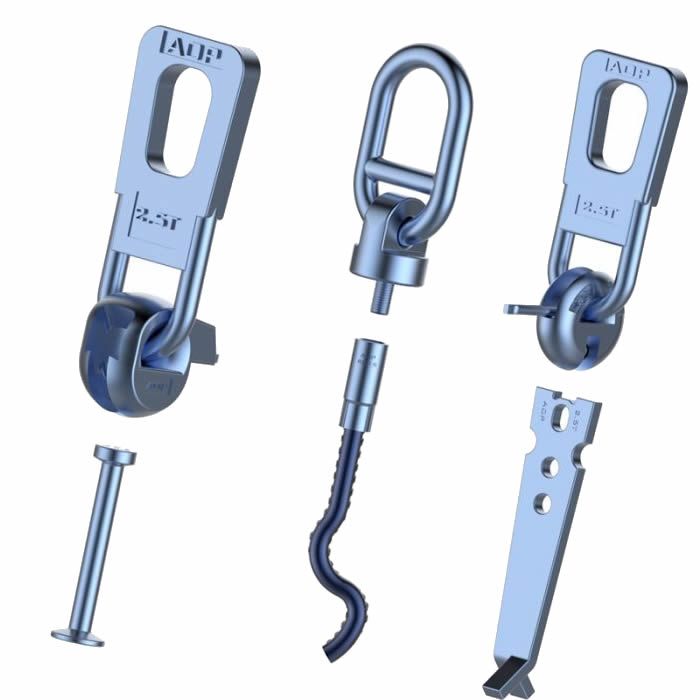
Concrete Plate Anchors

When chloride ions invade and reach the critical concentration on the surface of the steel bar:.

Literature Express | Low Carbon Buildings: Experimental Study on the Preparation of Geopolymer Concrete from Fly Ash and Glass Fiber

OPC production releases approximately 1 ton of CO ₂ per ton; The global cement industry emits approximately 1600 Mt of greenhouse gases annually, and the traditional concrete industry is facing severe pressure to reduce carbon emissions, urgently requiring the development of low-carbon alternative materials.

Geopolymer concrete is made from silicon aluminum waste residue such as fly ash, which can replace OPC and has significant environmental benefits; Fiberglass can improve the mechanical properties and crack resistance of concrete, but its application in fly ash based polymer concrete still needs systematic research.

Spherical Head Anchor

.