Guangzhou Concrete Association: Tips on Changes in Tax Policies for the Concrete Industry

① The copyright of all original content on this account is exclusively owned by “Concrete and Cement Products Network”.

Any media, website, or individual who reposts or uses it must obtain written authorization from the account.

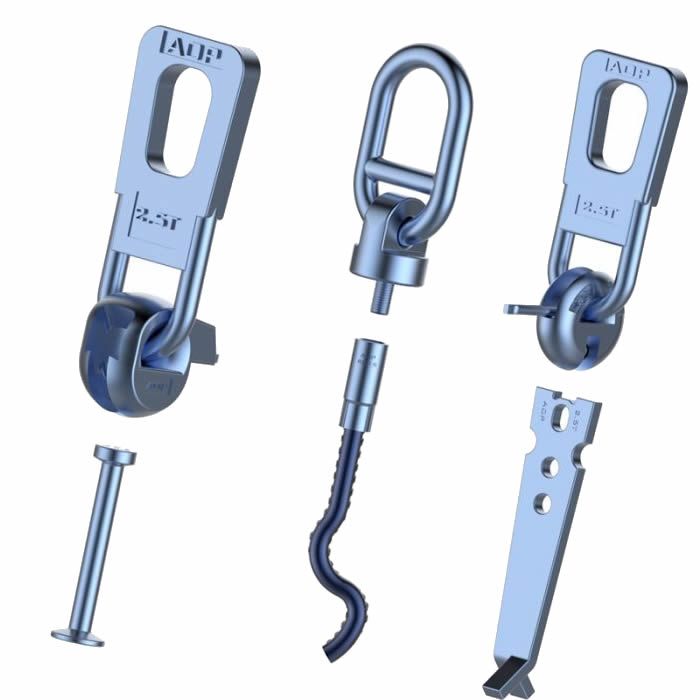
Lifting Socket

Violators will be held responsible by this website in accordance with the law.

.

Exclusive to Wanfang | Great Changes in Value Added Tax in the Concrete Industry: 13% General Taxation Starting from 2026, Comprehensive

On January 1, 2026, the Announcement of the Ministry of Finance and the State Administration of Taxation on the Connection of Value added Tax Preferential Policies after the Implementation of the Value added Tax Law (Announcement No.

10 of 2026, hereinafter referred to as “Announcement No.

10″) was officially implemented.

The implementation of this policy marks the official end of the simple taxation model that the concrete industry has continued for nearly 17 years, from 3% simple taxation to 13% general taxation.

Rebar Bolsters

The concrete industry is facing new challenges in tax compliance and cost control.

How can concrete companies respond quickly and effectively to policy changes, maintain their operating bottom line, and reduce tax costs? Today, Lawyer Wanfang brings you the following plan:.

Why can’t we add water to concrete at will?

The amount of water added to concrete during the mixing process is called mixing water, which is calculated based on the water cement ratio in the mix proportion (referring to the weight ratio of water to cement in concrete).

Mixing water consists of two parts, one part is compound water and the other part is free water.

Compound water is necessary for the hydration of cement, and sufficient compound water is needed to ensure the full hydrolysis and hydration of cement particles, the formation of crystals and setting.

However, this part of the water consumption is relatively small, generally only accounting for a quarter of the mixing water.

The remaining water is called free water, which is added to meet operational requirements, such as ensuring the workability and slump of concrete.

Swift Lift Void Former

.

Practical experience in optimizing concrete raw materials and controlling mix proportions

Concrete has become an indispensable material in construction projects.

However, the quality of concrete is affected by multiple factors such as raw material characteristics, mix design, construction technology, and environmental conditions.

Halfen Channel

Any negligence in any link may lead to quality hazards such as insufficient strength, cracks, and leakage.

.